


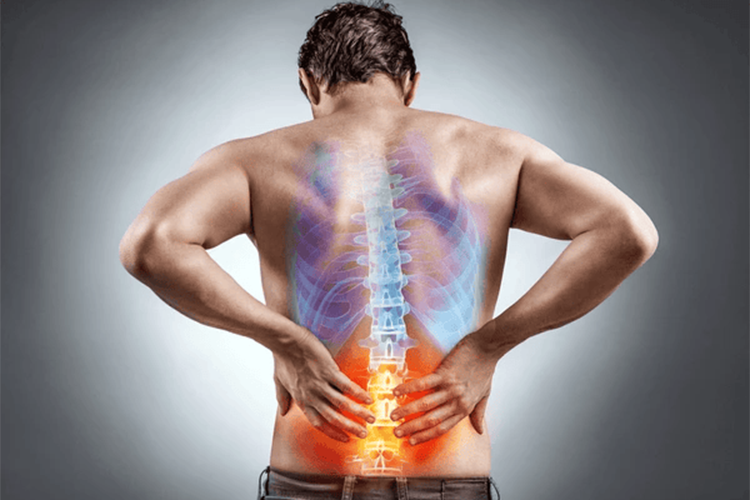
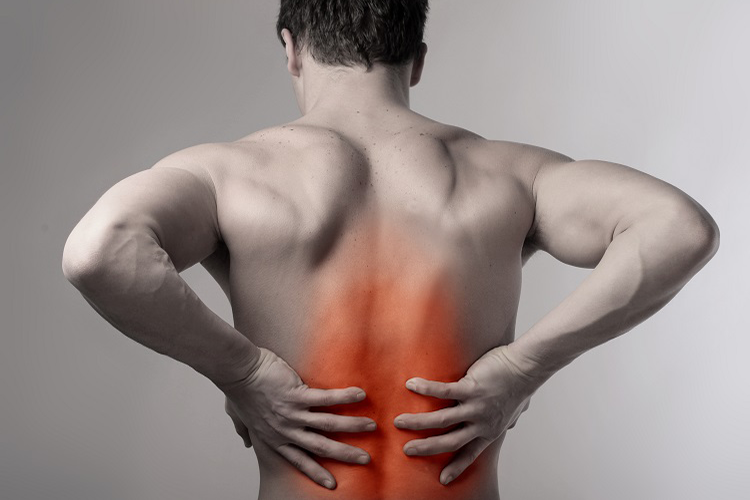
Low Back Pain
Low back pain can be isolated to the low back or can travel down to the buttocks, hip, or leg all the way into the foot. It can range from a dull ache to a sharp or burning sensation. Depending on how severe it is, it may cause numbness, tingling, or even weakness in the leg or foot. There are many conditions that fall under the category of low back pain. The following are just a few examples: sciatica, herniated discs, bulging discs, slip discs, degenerative disc disease, degenerative joint disease, arthritis, spinal stenosis, spondylolisthesis
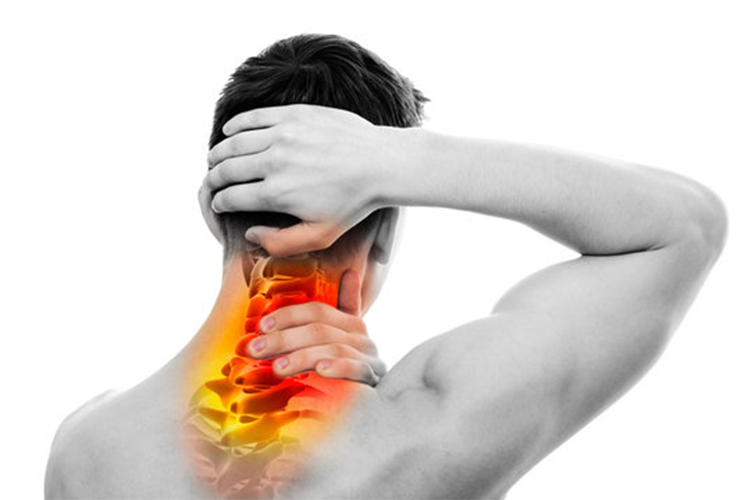
Neck pain
Neck pain is discomfort or pain felt in the neck area, which can be caused by various factors such as muscle strain, poor posture, injury, or underlying medical conditions. It can range from mild to severe and may be accompanied by stiffness, difficulty moving the neck, headaches, migraines, tensions across the shoulders, and even numbness, pain, and tingling down the arm. Conditions include the following: herniated discs, whiplash, arthritis, cervical radiculopathy, etc.
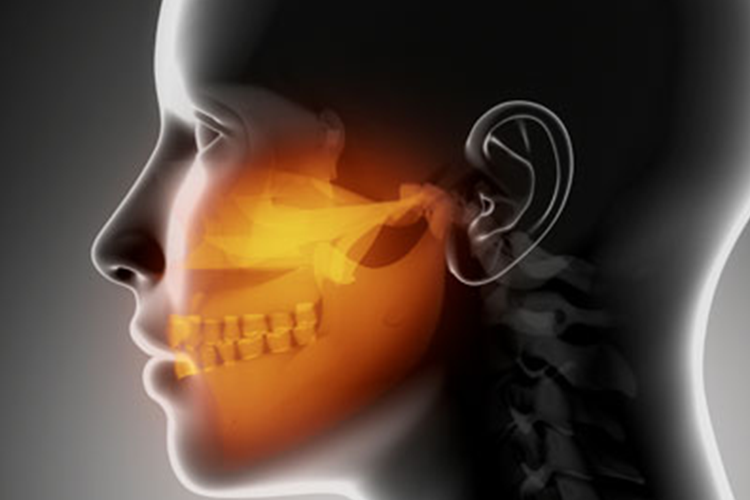
TMJ
TMJ stands for temporomandibular joint, which is the joint that connects your jaw to your skull, located in front of each ear. It allows you to move your jaw up and down and side to side, so you can talk, chew, and yawn. Issues with this joint can cause pain and discomfort, often referred to as TMJ disorder or TMD (temporomandibular disorder).

Golfer's Elbow
Also called medial epicondylitis is similar to Tennis Elbow. However, it affects a different set of muscles and tendons. The pain will typically show up on the inside of the elbow and will worsen with activity.
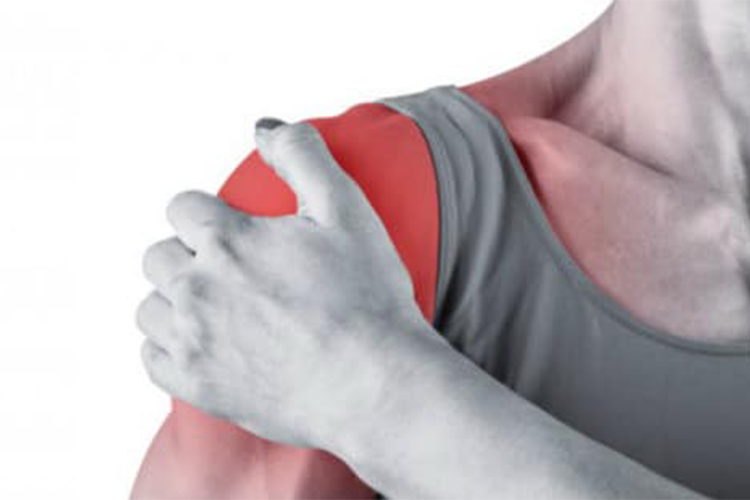
Rotator Cuff Conditions
Rotator cuff conditions refer to injuries or disorders affecting the group of muscles and tendons that stabilize the shoulder joint. These can include tendinitis, bursitis, tears, or impingement, often causing pain, weakness, and limited range of motion in the shoulder.
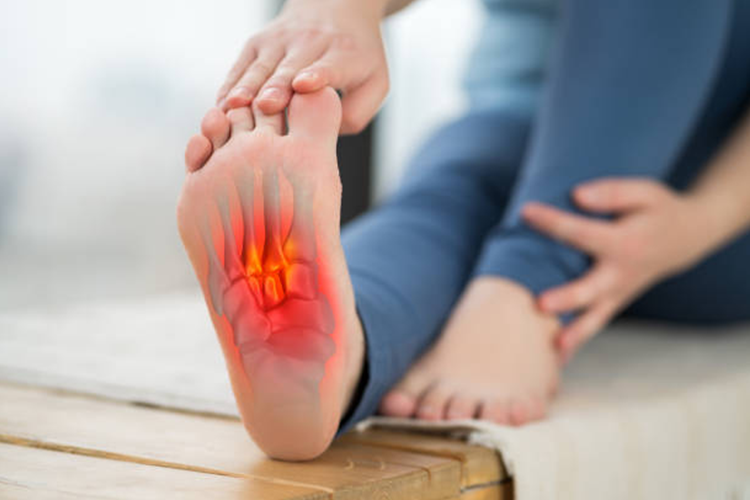
Plantar Fasciitis
This condition will typically cause pain in the heel or arch in the foot. The pain will be at its worst when you first get out of bed in the morning and try to walk. Typically, it will feel better once you get moving but by the end of the day, the pain will worsen again. It can occur in one foot or both. It can be disabling when it is at its worst, causing you to just want to sit and avoid standing on your feet.
Mid and Upper Back Pain
Mid back pain refers to discomfort in the area between the shoulder blades and the lower rib cage. It can be caused by poor posture, muscle strain, joint dysfunction, or spinal misalignment, often leading to stiffness, tightness, or aching sensations.
Upper back pain affects the area from the base of the neck to the tops of the shoulders. It's often related to tension, poor posture, stress, or repetitive motions, and may cause sharp pain, muscle tightness, or reduced mobility.
Upper back pain affects the area from the base of the neck to the tops of the shoulders. It's often related to tension, poor posture, stress, or repetitive motions, and may cause sharp pain, muscle tightness, or reduced mobility.
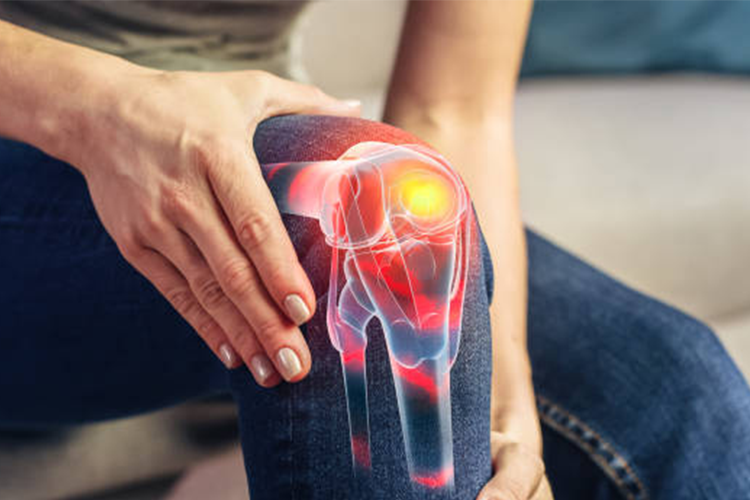
Knee Pain
Knee pain is discomfort or pain felt in or around the knee joint. It can be caused by injury, overuse, arthritis, or other conditions affecting the bones, cartilage, ligaments, or tendons in the knee. The pain can range from mild to severe and may affect your ability to move or bear weight on the knee. Conditions include: osteoarthritis, meniscus tear, tendonitis, ligament injuries, etc.
< class="woodmart-title-container title wd-font-weight- " >